The Simple Clean Resume: A Design Asset for Professional Impact
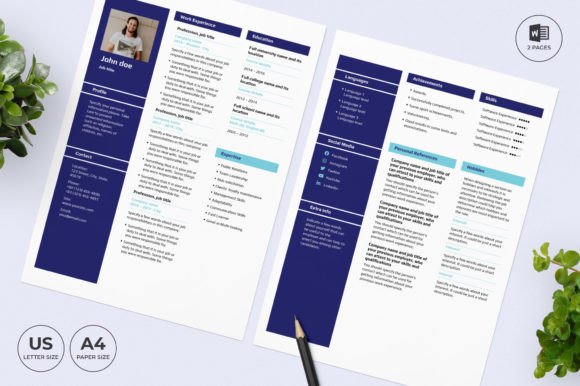
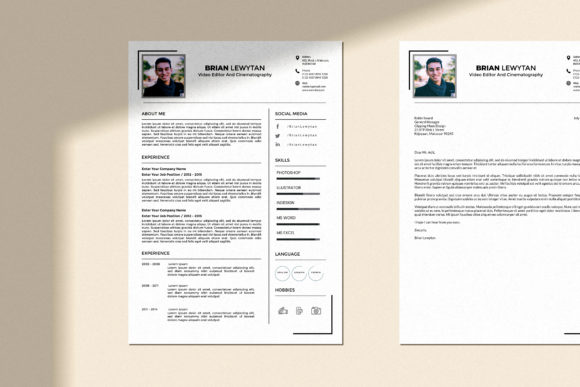
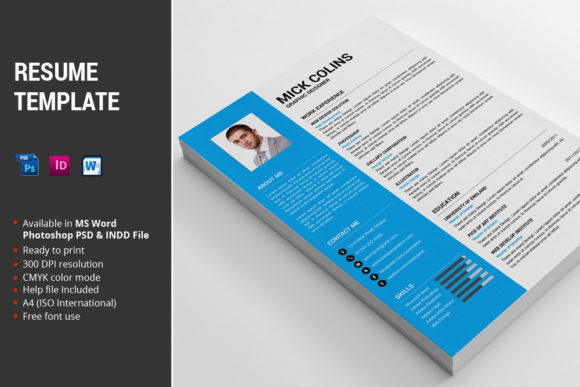
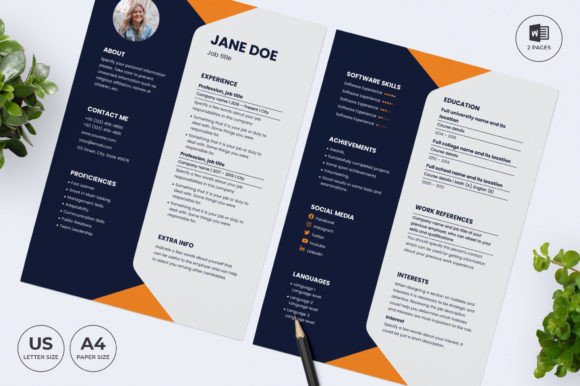
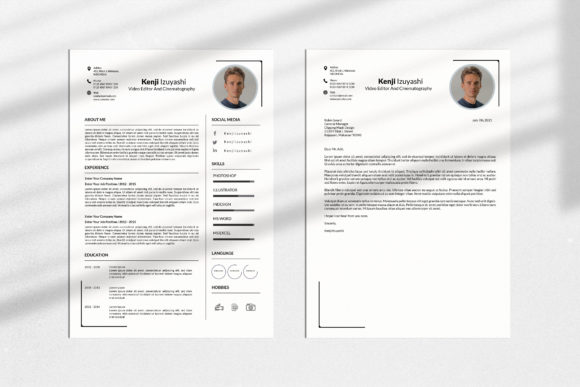
In the competitive landscape of job applications and freelance pitches, your first impression is often a digital document. A Simple Clean Resume template is more than just a placeholder for text; it is a foundational piece of graphic design, expertly developed to communicate professionalism, clarity, and modern aesthetics. This curriculum vitae template, designed with plainly orderly and identified layers, serves as a prime example of how thoughtful visual design directly influences perception and engagement.
Core Features for Seamless Design Workflow
The value of a professional template lies in its technical foundation. This resume is built on a standard A4 format (210mm x 297mm) with a 6mm bleed, ensuring it is print-ready and meets industry specifications. Its 100% editable nature is critical for designers and creators who need to maintain brand identity. Every color and text element can be modified, allowing you to align the document with a specific color palette or corporate brand guidelines. The inclusion of fonts and the preservation of text editability across file formats—AI, PSD, PDF, and Word—streamlines the design workflow, making it a versatile creative asset for any project.
Strategic Applications Beyond the Job Search
While its primary function is clear, the principles embedded in a Simple Clean Resume have broad applications across various creative projects. Its structured visual hierarchy and clean typography are directly transferable to other forms of professional presentation.
- Brand Identity & Marketing Materials: The template's clean lines and balanced composition can inspire the design of business cards, letterheads, and brochures, ensuring consistency across all touchpoints.
- Digital & Web Design: The principles of readability and scannability are essential for website UI design, social media graphics, and email marketing templates. A clean layout improves user experience (UX) by guiding the eye effortlessly.
- Editorial & Presentation Design: The same visual hierarchy that makes a resume effective also strengthens slide decks, reports, and digital publications, ensuring information is communicated with authority and clarity.
Evaluating and Implementing Design Elements
When selecting or customizing any design asset, consider these practical factors to ensure quality and effectiveness:
- Consistency & Scalability: Ensure all elements, from icons to headings, maintain a consistent style. Vector-based components in the AI or PSD files allow for perfect scaling without quality loss, which is vital for both print and digital use.
- Readability & Visual Hierarchy: Evaluate the typography choices. Are the font pairings legible at various sizes? Does the layout use spacing, weight, and size to create a clear path for the reader's eye? This is the core of effective visual communication.
- Audience & Goal Alignment: The modern, minimalist aesthetic of a clean resume appeals to contemporary industries like tech, marketing, and design. Always match the visual tone to your audience's expectations and your specific communication goal, whether it's securing an interview or presenting a project.
Ultimately, investing in high-quality, well-structured creative assets like this template is an investment in your professional image. It demonstrates an understanding of design trends and a commitment to polished presentation. By leveraging tools that prioritize clean aesthetics and functional editability, you empower yourself to produce work that not only looks exceptional but also communicates its message with precision and impact, leaving a lasting, favorable impression in any context.