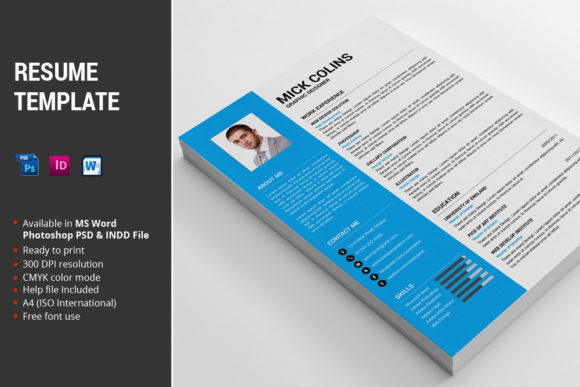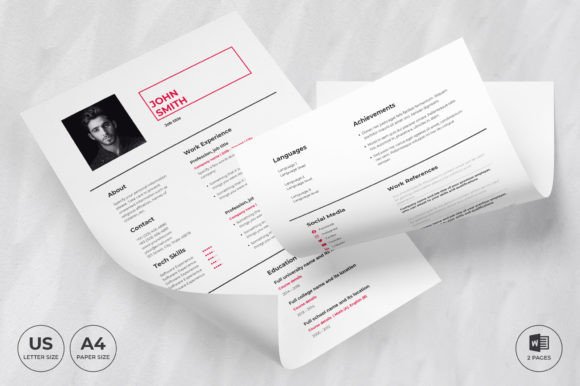
Art Director Resume Template CV: A Design-Led Approach
In the competitive field of graphic design, your resume is more than a list of jobs—it's your first portfolio piece. A well-crafted Art Director Resume Template CV demonstrates your understanding of visual hierarchy, typography, and professional presentation before a hiring manager even views your work. This template is engineered to make your name memorable, moving your application to the top of the stack through clean, modern aesthetics and strategic organization.
The Visual Impact of a Professional Resume
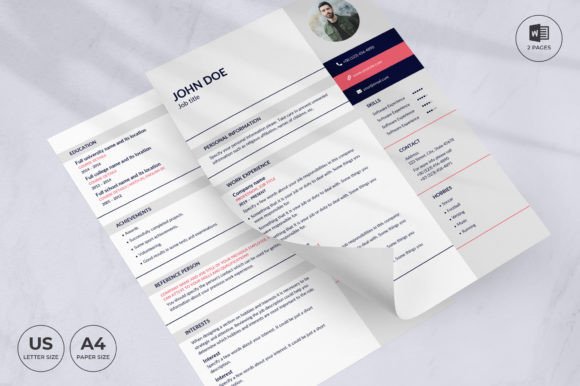
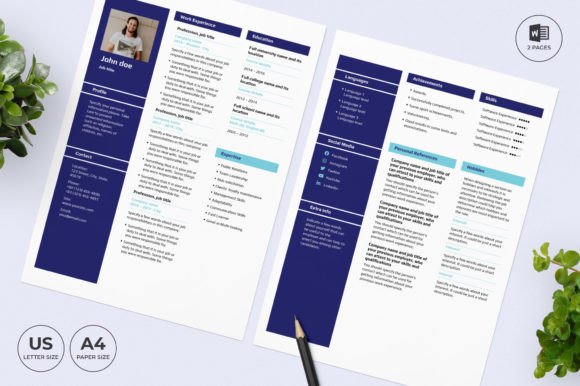
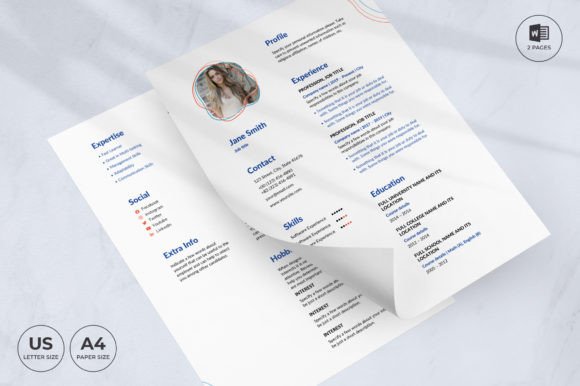
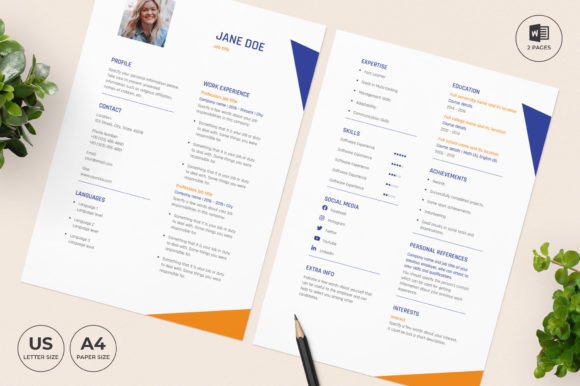
Effective visual communication is paramount in design. Your resume's layout, color palette, and typographic choices directly reflect your skills in branding and editorial design. A template designed to a grid ensures balance and readability, while ample white space allows your experience to breathe. This isn't just a document; it's a direct application of design principles, showcasing your ability to create clear, impactful, and user-focused layouts—a core requirement for roles in UI/UX design, web design, and print media.
Practical Applications Beyond the Job Hunt
While its primary function is as a resume, the underlying template structure has versatile applications for any creative professional or business owner. Consider these practical uses:
- Brand Identity Collateral: Adapt the template's clean grid system for company letterheads, project proposals, or brand guideline sheets, ensuring consistency across all marketing materials.
- Digital Portfolios: Use the layout principles to create cohesive project case studies for your website or social media graphics, strengthening your digital presence.
- Presentation Design: The same focus on visual hierarchy and typography translates directly into more compelling pitch decks and client presentations.
- Editorial & Packaging Mockups: The organized sections can serve as a starting point for designing lookbooks, product spec sheets, or packaging inserts that require clear, professional information display.
Maximizing Your Template's Potential
To leverage this creative asset effectively, focus on customization that aligns with your personal brand or client's identity. Here are key considerations:
- Typography & Color: Swap fonts and colors to match your portfolio's aesthetic. Ensure high contrast for readability and limit your palette to two or three complementary hues for a polished result.
- Visual Hierarchy: Use the template's pre-set structure to guide the eye. Your name and key roles should be immediately prominent, followed by experience and skills, using size and weight to create clear differentiation.
- Content & Scalability: Edit every section to highlight relevant achievements—quantify impact where possible. The template's A4 and US Letter sizes ensure it scales perfectly for both digital submission and print-ready output, a critical detail for professional presentation.
- Consistency: If using this for multiple documents (resume, cover letter, portfolio), maintain the same typographic and color treatments to build a cohesive personal brand system.
Ultimately, investing in a thoughtfully designed resource like this streamlines your design workflow and elevates your professional output. It underscores a fundamental truth in creative projects: that clarity, intention, and a keen eye for detail are what transform functional communication into a powerful statement of quality and expertise. Choosing assets that embody these principles is an investment in your visual voice and professional success.